
Epilepsy
Epilepsy: The Brain and a Neurological Dream Defect
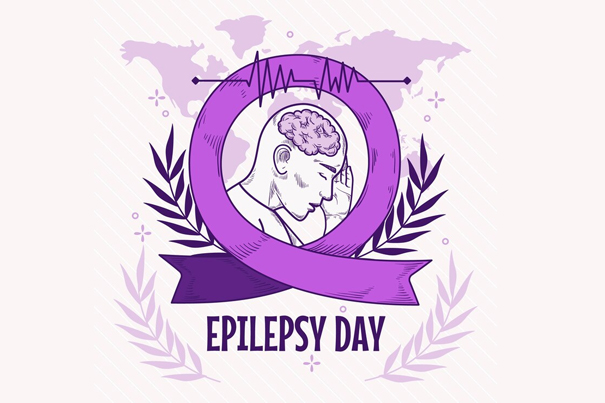
Epilepsy is a neurological disorder caused by sudden and abnormal electrical activity in the brain. This condition can occur due to a variety of reasons and is often characterized by recurrent seizures. Epilepsy is a condition that affects many people around the world and can affect the quality of life of both the individual and society. In this article, information will be given about what epilepsy is, what its symptoms are, what causes it and its treatment methods.
01. What is Epilepsy?
Epilepsy is a condition caused by abnormal firing of nerve cells in the brain. This condition may develop due to various factors, and genetic predisposition may also play a role. Epileptic seizures can present with a variety of symptoms, such as loss of consciousness, muscle spasms, and mental changes.
02. Epilepsy Symptoms
Loss of Consciousness: During an epileptic seizure, the individual may experience a short-term loss of consciousness.
Muscle Spasms: Sudden and uncontrolled muscle movements are the distinctive features of seizures.
Mental Changes: During a seizure, the individual may experience changes in mental status, hallucinations, or memory loss.
Eyelid Tremors: Eye tremors or rapid eye movements may be a symptom of some types of seizures.
03. Causes of Epilepsy
Genetic Factors: The risk may increase in individuals with a family history of epilepsy.
Brain Injuries: Head trauma, damage during birth, or brain infections can cause epilepsy.
Brain Tumors: Tumors in the brain can disrupt the normal functioning of nerve cells, leading to epileptic seizures.
Neurological Diseases: Neurological diseases such as Parkinson's disease and Alzheimer's disease can increase the risk of epilepsy.
04. Epilepsy Treatment
Antiepileptic Drugs: Epilepsy can usually be controlled with antiepileptic drugs. These medications help reduce seizures by preventing overstimulation of nerve cells.
Ketogenic Diet: The ketogenic diet, a type of diet used especially in children, can be effective in reducing the frequency of seizures.
Surgical Intervention: In cases that do not respond to drug treatment, surgical intervention may be considered. Surgical procedures performed to correct abnormal activity in the brain can control seizures.
Conclusion
Epilepsy is a complex neurological disorder and often requires a multidisciplinary approach. Early diagnosis, appropriate treatment methods and regulating the patient's lifestyle are important factors in epilepsy management. Having accurate information about epilepsy for the individual and society can play a supportive role in coping with this condition.