
Stroke
Stroke: The Silent Danger of Cerebrovascular Diseases
Stroke is a serious neurological event that occurs as a result of blockage or rupture in the brain vessels. Cerebrovascular diseases are often associated with lifestyle factors, genetic predisposition and health status. In this article, information will be given about what stroke is, its types, symptoms, causes and prevention methods, and the importance of post-stroke rehabilitation will be emphasized.
01. What is Stroke?
Stroke is a condition that damages brain tissue as a result of blockage (ischemic stroke) or rupture (hemorrhagic stroke) of brain vessels. This condition may cause not enough oxygen and blood flow to reach the brain, leading to cell death and various neurological problems.
02. Stroke Types
Ischemic Stroke: It is the most common type of stroke caused by occlusion of the brain vessels.
Hemorrhagic Stroke: It is a type of stroke that occurs as a result of the rupture of brain vessels and bleeding into the brain tissue.
03. Stroke Symptoms
Asymmetric Facial Sway: Facial expression with one half hanging low.
Weakness in Arms and Legs: Sudden loss of strength or paralysis.
Speech Difficulty: Incoherent or garbled speech.
Headache: Severe and sudden onset headache.
Loss of Balance: Sudden loss of balance, coordination problems.
04. Stroke Causes
Hypertension: High blood pressure can cause damage to brain vessels.
Atherosclerosis: Plaque buildup in blood vessels can cause vascular blockages.
Atrial Fibrillation: Heart rhythm disturbance can lead to clot formation.
Diabetes: Diabetes can contribute to atherosclerosis and blockages.
05. Stroke Prevention Methods
Healthy Diet: A low-salt, low-fat, balanced diet.
Regular Exercise: At least 150 minutes of moderate-intensity aerobic exercise per week.
Limiting Smoking and Alcohol: Not smoking and limiting alcohol consumption.
Blood Pressure Control: Regular control of hypertension.
Regular Health Checks: Identifying and monitoring risk factors regularly.
06. Post-Stroke Rehabilitation
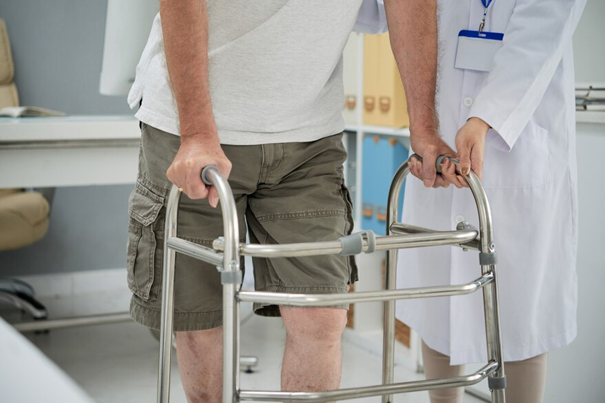
For individuals who have had a stroke, rehabilitation is critical in terms of gaining lost skills and improving the quality of life. Multidisciplinary approaches such as physiotherapy, speech therapy, and nutritional counseling can support the recovery process after stroke.
Conclusion
Stroke is a serious health problem, and the chance of prevention can be increased with preventable risk factors and conscious lifestyle changes. With early diagnosis, rapid intervention and effective rehabilitation, it is possible to improve the quality of life after stroke. Increasing awareness of stroke in society is important to prevent this problem and reduce its effects.